
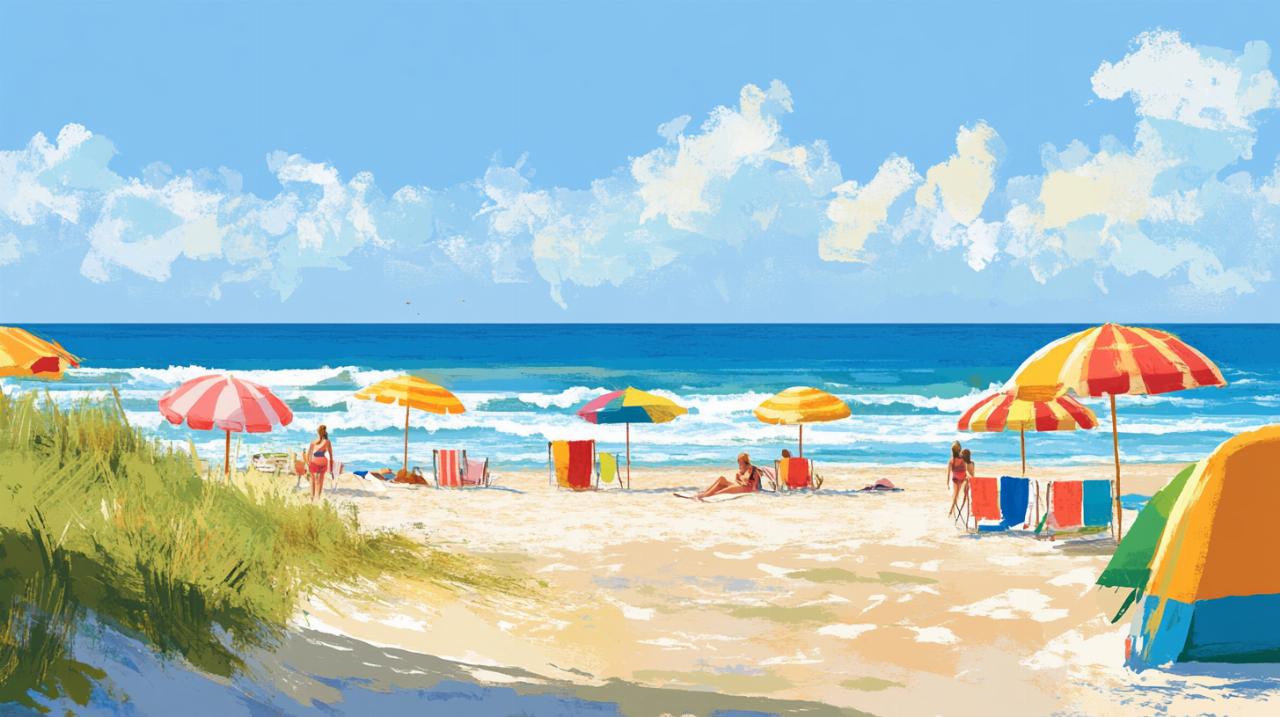





A day by the seaside with your loved ones brings immense joy and cherished memories, but ensuring everyone remains safe under the summer sun requires careful planning and the right equipment. Whether you are heading to Bournemouth Beach or the rugged shores of Bamburgh, investing in quality coastal shelters and understanding how to use them properly can make all the difference between a relaxing outing and an uncomfortable experience. This guide explores the essential considerations for selecting, setting up, and maintaining beach parasols and tents to keep your family protected and happy throughout your time on the sand.
Choosing the Right Coastal Shelter: What You Need to Know Before Purchase
Selecting appropriate sun protection for your beach excursion involves more than simply picking the first umbrella or tent you see. The market offers a diverse range of portable shelters, each designed with specific features that cater to different family needs and beach conditions. Understanding these variations ensures you make an informed decision that balances safety, convenience, and value for money.
Understanding different types of portable sun protection
Beach umbrellas remain a classic choice for families seeking straightforward shade solutions. Modern designs often incorporate UPF50+ fabric that blocks harmful ultraviolet rays far more effectively than traditional materials, offering protection comparable to high SPF sunscreen when used correctly. These portable shelters typically feature adjustable heights and tilting mechanisms, allowing you to track the sun's movement throughout the day and maintain consistent coverage over your designated spot on the sand.
Pop-up beach tents have gained considerable popularity in recent years, particularly among parents with young children who require a secure, enclosed space. These innovative structures deploy in seconds without complicated assembly, providing instant refuge from both sun and wind. Many models include mesh panels for ventilation whilst maintaining privacy, and some even feature extended front canopies that create additional shaded areas for play. The enclosed nature of these tents also offers protection from blowing sand, which can prove irritating during breezy conditions common at UK coastal locations.
Portable canopies represent a middle ground between umbrellas and fully enclosed tents. These four-posted structures offer expansive coverage suitable for larger families or groups, with many designs accommodating multiple adults comfortably beneath their shade. The open-sided construction promotes excellent airflow, reducing the greenhouse effect that can make enclosed tents uncomfortably warm on particularly hot days. However, this openness means they provide less protection from lateral sun exposure during early morning or late afternoon hours when the sun sits lower on the horizon.
Evaluating Quality, Features and Price Points for Family Safety
When assessing potential purchases, examine the fabric quality closely. Genuine UV protective materials should clearly display their UPF rating, with UPF50+ blocking approximately ninety-eight percent of ultraviolet radiation. This specification proves particularly crucial for protecting children's delicate skin, which burns more easily than adult skin. Marine-friendly or reef-safe materials also deserve consideration if you plan to position your shelter near the waterline, as these fabrics resist damage from salt water and dry more quickly after accidental soakings.
Frame construction significantly impacts both durability and safety. Fibreglass poles offer excellent flexibility and wind resistance whilst remaining lightweight for transport, making them ideal for families who need to carry equipment across car parks and along beach paths. Aluminium frames provide superior strength and longevity but add weight, which may prove challenging if you are managing young children alongside your gear. Avoid cheap plastic components that can crack under stress or in high temperatures, potentially creating sharp edges that pose injury risks.
Price considerations must balance initial outlay against expected lifespan and frequency of use. Whilst premium brands such as Fatboy or Miasun command higher prices, they typically incorporate superior materials and construction that withstand multiple seasons of regular use. For families planning frequent beach visits throughout summer months or those combining seaside trips with garden use, investing in quality equipment proves economical over time. Conversely, occasional beachgoers might find perfectly adequate options at more modest price points, particularly when retailers offer promotional discounts or free delivery on orders exceeding specific thresholds.
Additional features warrant consideration based on your specific requirements. Pockets for storing sunscreen, toys, or mobile phones keep essentials organised and sand-free. Integrated sand sacks or weight pockets eliminate the need to source separate anchoring materials. Some designs incorporate clever carrying systems that transform the shelter into its own transport bag, simplifying the journey from car to shore. For families with teenagers who value independence, larger shelters that accommodate stand-up paddleboards or other water sports gear alongside personal belongings provide convenient staging areas for aquatic activities.
Proper setup and anchoring: securing your seaside sanctuary
Even the highest quality beach shelter becomes a hazard if improperly secured. Coastal winds can transform an unanchored umbrella into a dangerous projectile, whilst poorly stabilised tents may collapse onto occupants or blow away entirely. Understanding proper installation techniques protects both your family and neighbouring beachgoers from preventable accidents.
The Importance of Sand Sacks and Stable Base Systems
Sand provides the most readily available anchoring material at the beach, and utilising it effectively forms the foundation of shelter stability. Purpose-designed sand sacks attach to shelter corners or bases and fill quickly by scooping sand directly into their openings. Quality versions feature robust stitching and reinforced attachment points that distribute weight evenly without tearing under stress. Fill these bags completely, compacting the sand as much as possible to maximise their anchoring effect. Four well-filled sand sacks, each weighing approximately ten kilograms, provide substantial resistance against moderate winds.
Base systems vary considerably between shelter types. Beach umbrellas require deep insertion into the sand, with the shaft penetrating at least forty-five centimetres beneath the surface for adequate stability. Screw-type bases prove more effective than simple pointed stakes, as their spiral design engages more sand and resists upward forces that winds exert on the canopy. Some premium models include auger bases that you twist into the sand using handles, achieving impressive depths without requiring significant physical strength.
Pop-up tents typically incorporate ground stakes that pierce through designated points in the floor fabric. Ensure these stakes angle away from the tent centre at approximately forty-five degrees, as this orientation maximises their holding power against lifting forces. In particularly soft sand, combining stakes with sand sacks attached to tent corners creates a dual-layer anchoring system that addresses both horizontal and vertical wind forces. Never rely on stakes alone in windy conditions, as sand's loose nature means stakes can pull free more easily than they would in firmer soil.
Step-by-Step Guide to Safe Installation on the Shore
Begin by selecting an appropriate location that balances convenience with safety. Position your shelter away from the tide line, checking local tide times to ensure rising water will not reach your spot during your planned stay. Avoid setting up directly downwind of other beachgoers, as a shelter failure could send your equipment tumbling into neighbouring groups. Similarly, maintain adequate distance from dunes or cliffs where falling debris might pose risks.
For umbrella installation, start by clearing the sand surface of stones or shells that might impede insertion. Create a pilot hole using a sturdy stick if the sand proves particularly compact. Insert the umbrella shaft vertically, twisting clockwise if using a screw-type base, until you achieve the recommended depth. Test stability by gently attempting to rock the umbrella from side to side; any significant movement indicates insufficient anchoring. Only after confirming a solid base should you open the canopy, as the increased wind resistance of an open umbrella makes it more difficult to secure retroactively.
When erecting pop-up tents, fully extend the structure before attempting to anchor it. Many designs include corner loops or tabs specifically intended for sand sacks or stakes. Attach and fill sand sacks first, as their weight helps hold the tent steady whilst you insert stakes. Drive stakes through designated reinforced points in the fabric, using a rubber mallet if available to achieve proper depth without damaging the stake or fabric. Once all anchoring points are secured, adjust the tent position if needed, then verify that all guy lines remain taut and evenly tensioned.
Throughout the installation process, enlist help from older children or other adults rather than struggling alone. Multiple sets of hands make the work faster and safer, particularly when managing larger shelters in breezy conditions. Teaching children proper setup procedures also instils valuable lessons about outdoor safety and equipment care that serve them well during future adventures.
Monitoring weather conditions and protecting little ones under cover
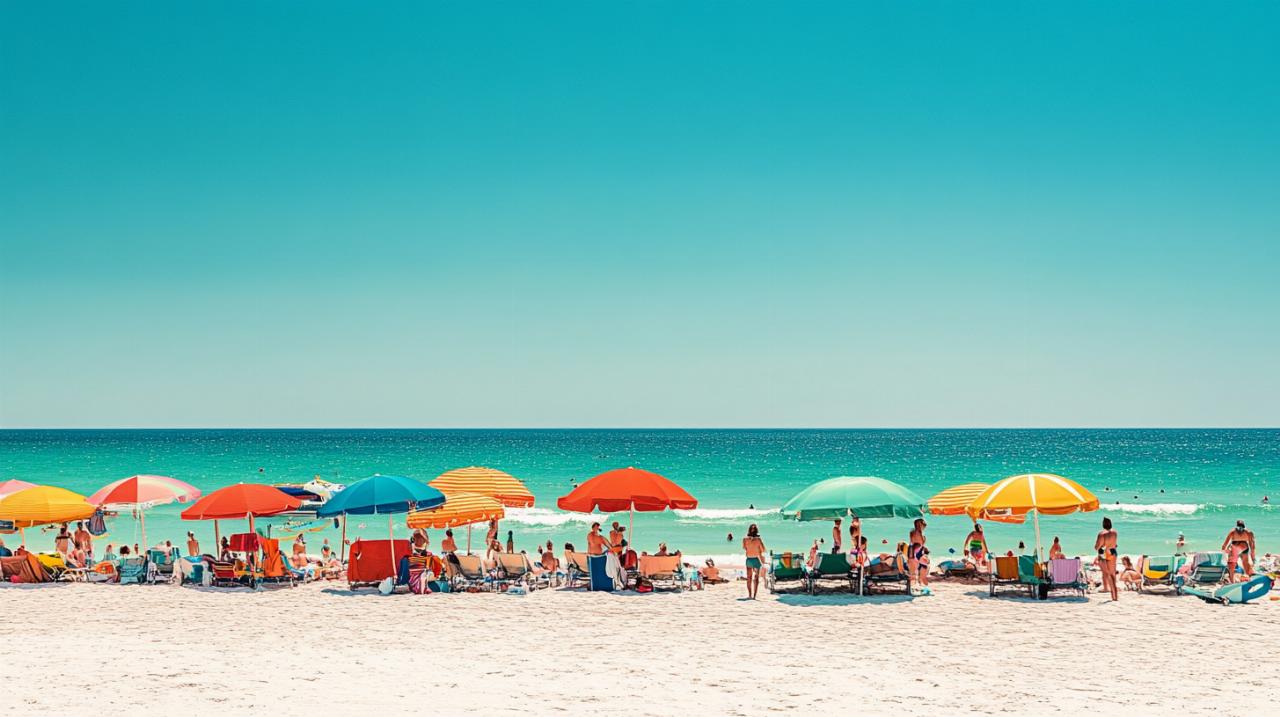
Maintaining vigilance regarding changing weather conditions and ensuring children receive adequate protection whilst enjoying your beach shelter represent ongoing responsibilities throughout your visit. Coastal weather can shift rapidly, and what begins as a calm, sunny day may develop into conditions requiring immediate action to preserve safety.
Recognising When to Pack Away: Wind Safety and Storm Awareness
Wind speed directly correlates with shelter stability, and understanding when conditions exceed safe limits prevents accidents. As a general guideline, sustained winds above twenty-five kilometres per hour warrant increased caution, whilst gusts exceeding forty kilometres per hour typically necessitate packing away all but the most robustly anchored shelters. Observe the behaviour of other beach equipment and natural indicators such as flag movement or wave patterns. If you notice other beachgoers struggling to control their umbrellas or if sand begins stinging exposed skin, conditions have likely become unsuitable for maintaining shelters safely.
Storm development presents particularly serious hazards that demand immediate response. Dark, towering clouds approaching from offshore often signal incoming weather fronts that bring strong winds, heavy rain, and potentially dangerous lightning. Thunder or lightning visible in any direction requires you to exit the water immediately and seek proper shelter, as beach umbrellas and tents offer no protection from electrical strikes. Move to a permanent structure or vehicle rather than remaining beneath portable shelters, which can actually increase lightning risk due to their metal components and elevated profiles.
Flag warning systems operate at many UK beaches, with lifeguards displaying coloured flags that indicate current conditions. Red flags signal high hazard situations where swimming proves dangerous, yellow indicates moderate hazards requiring caution, green denotes low hazard conditions, and purple warns of dangerous marine life in the vicinity. Whilst these flags primarily address water safety, they also provide valuable information about overall weather conditions. Red flag conditions often coincide with winds strong enough to make maintaining beach shelters difficult or unsafe.
Never leave beach shelters unattended, even briefly, as conditions can change during short absences. If you must leave your spot, either designate someone to remain with your equipment or pack it away entirely. An unsecured shelter becoming airborne poses serious injury risks to anyone in its path, and you bear responsibility for damage or harm your equipment causes to others.
Sun protection standards and child safety considerations
Whilst beach shelters provide valuable shade, they represent just one component of comprehensive sun protection for children. UV radiation reflects off sand and water, meaning youngsters can still receive significant exposure even whilst sitting beneath a parasol. Apply broad-spectrum sunscreen with SPF 30 or higher to all exposed skin before leaving home, then reapply every two hours and immediately after swimming, regardless of whether the product claims water resistance. UV protective clothing such as hooded bath ponchos or rash guards provides additional defence, particularly for shoulders, backs, and other areas that children might inadvertently expose by moving about.
Position your shelter to account for the sun's movement across the sky. What provides perfect shade at midday may leave occupants in direct sunlight by mid-afternoon as shadows shift. Adjustable umbrellas allow you to track the sun without relocating your entire setup, whilst fixed canopies might require periodic repositioning. During peak UV hours between eleven in the morning and three in the afternoon, consider supplementing your shelter with additional portable shade sources or relocating to areas with natural shade from cliffs or dunes where geography permits.
Hydration assumes critical importance for children playing on the beach, as they often become so engrossed in activities that they neglect to drink adequately. Keep water bottles accessible within your shelter and establish a routine of regular drinking breaks, particularly after active play or swimming. Freezing bottles overnight transforms them into temporary ice packs that keep other provisions cool whilst gradually melting into refreshing cold drinks throughout the day. Electrolyte drinks help replace minerals lost through perspiration during extended outdoor activities, though water should remain the primary beverage.
First-aid kits stored within easy reach of your shelter ensure you can address minor injuries promptly without leaving the beach. Include adhesive bandages in various sizes, antiseptic wipes, tweezers for removing splinters or debris, relief treatments for insect stings or jellyfish encounters, and aloe vera gel for soothing minor sunburn. Hand sanitiser maintains hygiene when washing facilities prove distant, whilst baby powder unexpectedly aids in removing stubborn sand from skin before applying bandages or sunscreen.
Supervise children constantly, even when they remain within the sheltered area. Shallow water pools can form near the tide line, and whilst they appear harmless, they present drowning risks for very young children who may stumble and struggle to right themselves. Designate a specific meeting spot that children can easily identify and locate if they become separated from your group. Dress youngsters in brightly coloured clothing that stands out against the sand and crowds, making visual tracking easier. Instruct them to seek a lifeguard immediately if they cannot find you, rather than wandering in search or approaching strangers.
Beach equipment should remain organised within your shelter to prevent tripping hazards and ensure nothing attracts unwanted attention from wildlife. Mesh bags allow sand toys to drain and dry whilst keeping them contained. Waterproof bags protect mobile phones, keys, and other valuables from sand infiltration and accidental water damage. Separate bags for rubbish and wet gear prevent cross-contamination with clean items and simplify the packing process when your beach day concludes. Maintaining an orderly shelter space also helps you quickly locate essential items such as sunscreen or the first-aid kit when needs arise.
As your beach visit draws to a close, involve children in the pack-up process just as you did during setup. This hands-on participation teaches them respect for equipment and the environment whilst reinforcing the safety lessons learned throughout the day. Rinse shelters with fresh water if facilities exist, as removing salt residue extends their lifespan significantly. Allow fabric components to dry completely before storing them to prevent mould growth that could compromise both material integrity and future users' health. With proper care and attention to these safety principles, your beach parasol or tent will provide many seasons of reliable protection, supporting countless happy family memories by the shore.