
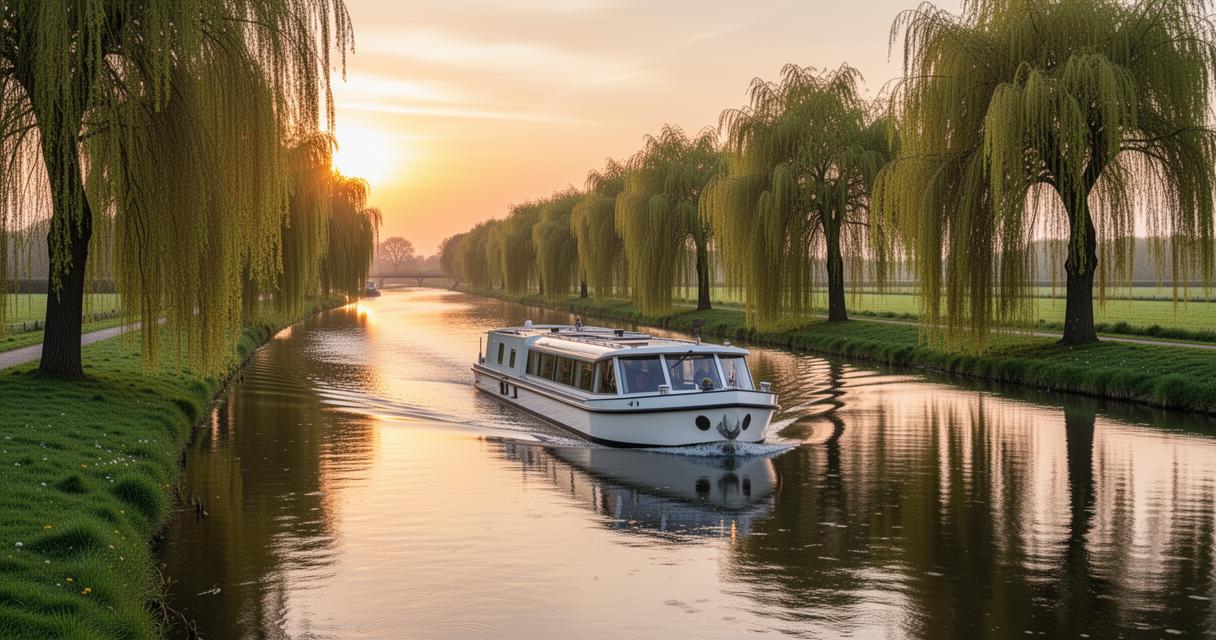


Setting off on a canal boat holiday for the very first time is one of those genuinely liberating experiences, the gentle lap of water against the hull, hedgerows drifting past at a leisurely pace, and the peculiar joy of navigating a lock with nothing but a windlass and a bit of goodwill. The good news is that you do not need a licence to enjoy most leisure cruising in the United Kingdom or across popular European destinations such as France. A short induction from your hire company is all that stands between you and open water. That said, good manners on the waterways go a long way, and knowing the unwritten rules before you cast off will make your trip far more enjoyable for everyone sharing the cut.
The essentials
- No formal license is required to pilot a canal boat in the UK or many European destinations, provided you complete a short induction session with the rental company.
- Maintaining a slow speed (typically no faster than a brisk walk) is essential to prevent bank erosion and avoid disturbing moored vessels.
- Navigating locks requires patience, adherence to queues, and leaving the equipment in the correct state for the next boater.
- Thoughtful mooring involves using designated spots, avoiding obstructions, and being considerate of your positioning in relation to other vessels.
- Boaters must prioritize quietness by limiting noise and engine use to respect the peaceful nature of the waterways and fellow travelers.
- Preserving the environment includes protecting local wildlife by traveling slowly near reed beds and strictly disposing of waste only at official pump-out stations.
Mastering Waterway Etiquette for a Safe Navigation Experience
Before you even untie the ropes, your hire company will walk you through the essentials during a thorough handover that typically covers boat handling, controls, mooring techniques, and safety procedures. Pay close attention, because the canals and rivers of Britain and France reward those who cruise sensibly. In the UK, for instance, over 2,000 miles of waterways are available for exploration, winding through city centres, market towns, and stretches of truly untouched countryside. Whether you are heading for the lively urban canals of Birmingham or the tranquil rural waterways of Wales, understanding the basics of navigation instruction will set the tone for a confident and considerate trip.
Understanding Speed Limits and Right of Way on the River
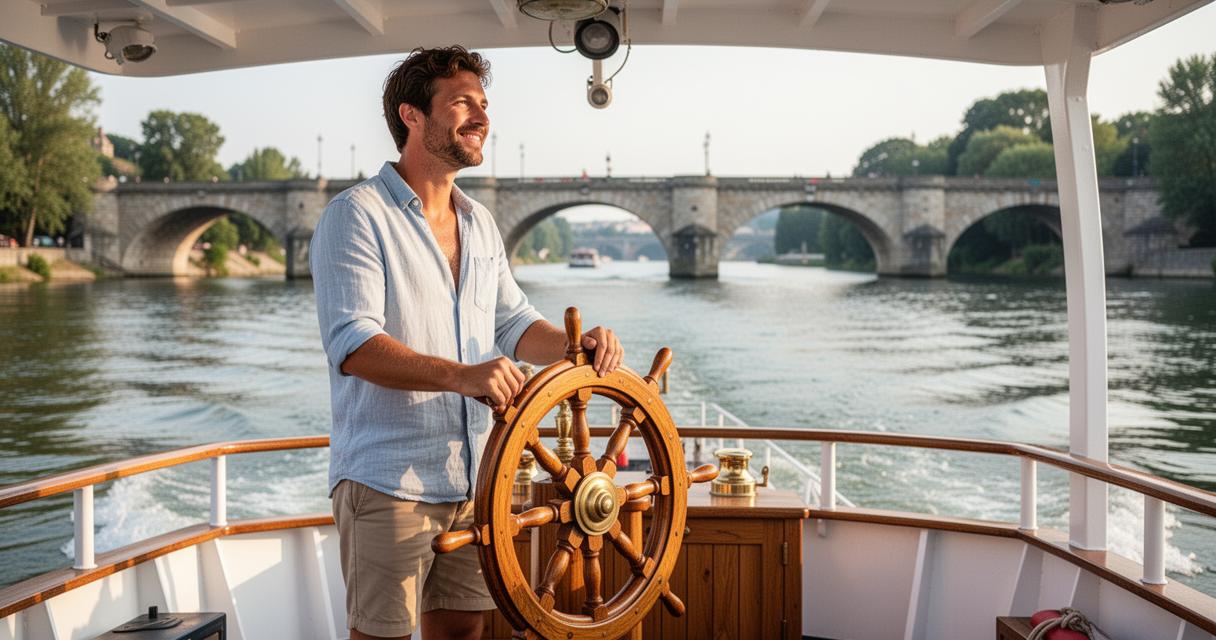
Speed is perhaps the single most important consideration for any first-timer. A canal boat travelling too fast creates a wash that damages the banks, disturbs moored vessels, and can unsettle other boaters. The general rule on British canals is to travel at a pace no faster than a brisk walk (roughly three to four miles per hour) which means a week’s river cruise might comfortably cover between eighty and a hundred miles, leaving ample time for pub lunches and leisurely strolls along the towpath. When meeting an oncoming boat, reduce your speed, keep to the right, and give a friendly nod. Right of way tends to go to vessels already mid-manoeuvre, so patience is not merely a virtue here, it is essential.
Approaching Locks and Bridges with Courtesy and Care
Locks may feel daunting the first time you approach one, but they quickly become one of the most rewarding parts of a narrowboat hire adventure. Allow at least fifteen minutes per lock, and considerably more during peak season when queues can form. The protocol is straightforward: wait your turn, offer to share a lock with another boat if space permits, and always leave the lock in the state you would wish to find it, gates closed, paddles wound down. When passing under a flying bridge or low arch, slow right down and ensure passengers are seated safely inside. Never rush another boater who is working their way through; the waterways run on courtesy, not clockwork.
Ensuring onboard comfort and respecting fellow boaters
A well-planned boating holiday is as much about the people you share the water with as the scenery itself. Most hire boats come fully equipped for self-catering, with kitchen essentials, comfortable berths, and bathrooms that make extended stays perfectly practical. Your responsibility as a canal boat guest extends beyond steering, it includes how you moor, how much noise you make, and how you interact with the wider community of boaters, lock-keepers, and towpath walkers who form the living fabric of Britain’s waterway heritage.
Mooring your barge thoughtfully at designated departure points
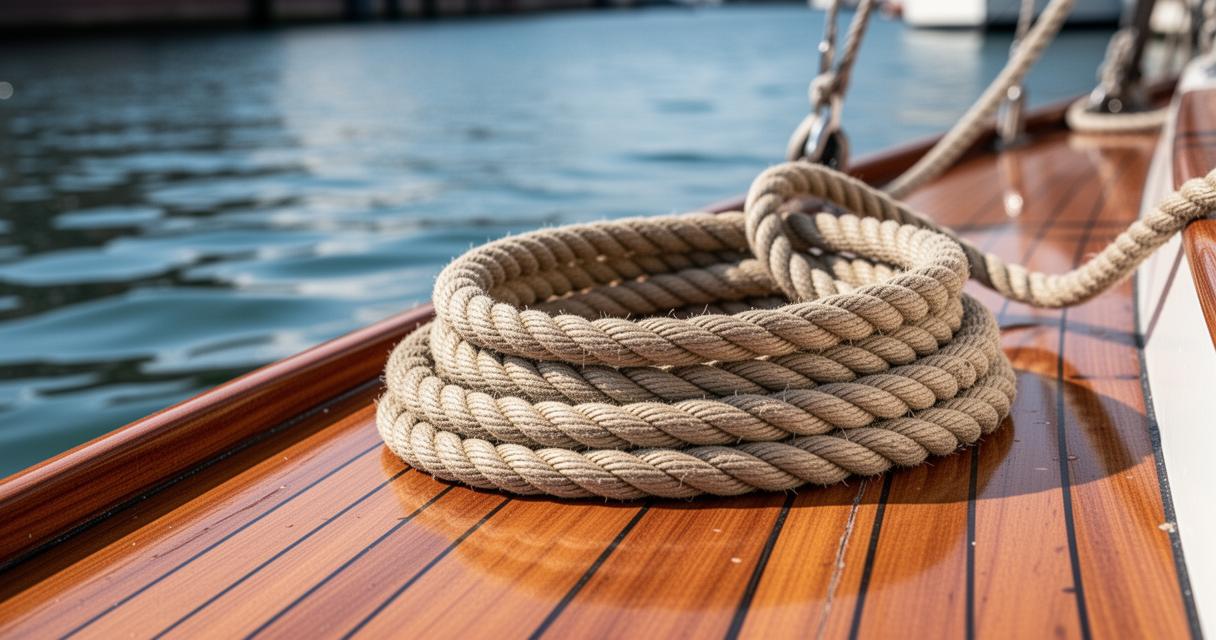
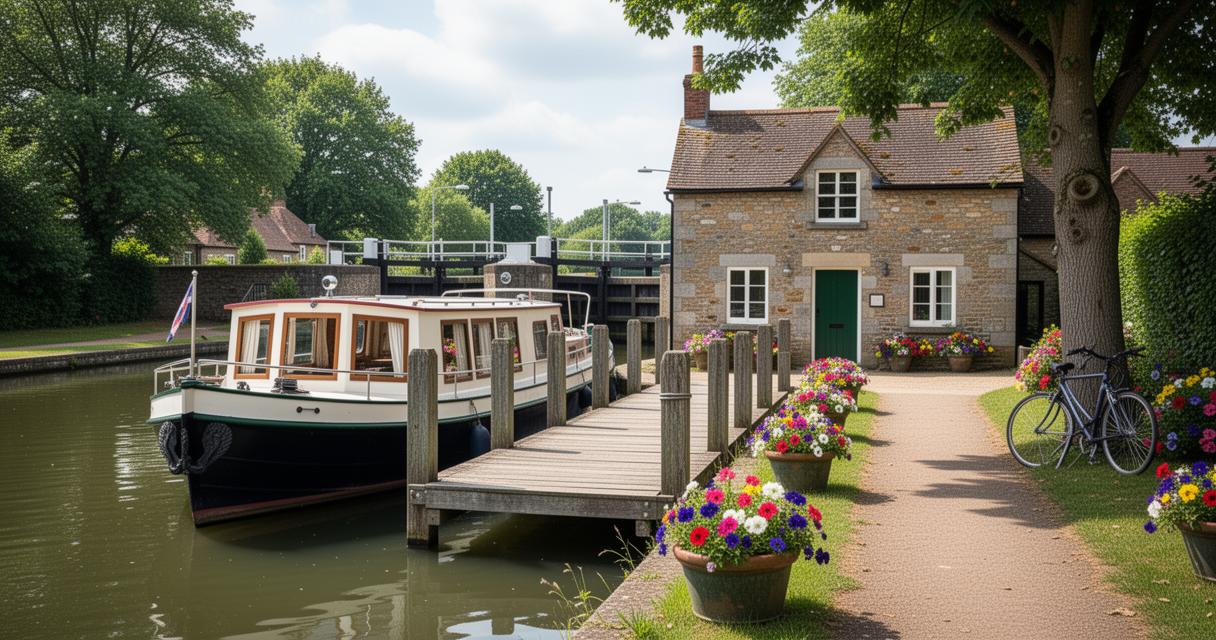
Choosing where to moor is an art in itself. Always use designated mooring spots where they exist, and avoid blocking access to locks, water points, or the entrances of private properties. Drive the bow gently into the bank, let a crew member step ashore with the bow rope, and secure both ends before switching off the engine. It is considered poor form to moor in the same spot for longer than the posted limit allows, particularly in popular locations during summer. When mooring at busy departure points or marinas, be mindful of how your positioning affects other vessels attempting to come and go. Non-slip shoes are strongly advisable whenever you step on and off the boat.
Managing Noise and Facilities for a Splendid Holidays Stay
The canals attract people in search of peace, and that shared desire for quiet is part of the social contract of boating etiquette. Keep music at a considerate volume, avoid running the engine in the early morning or late evening when moored near other boats, and be mindful that voices carry across still water far more than you might expect. Most hire boats have generators or shore power connections at marinas; use them thoughtfully. Children and pets are warmly welcomed on the waterways, though life vests are strongly recommended for both younger passengers and animals. A genuinely comfortable and considerate stay enriches not just your own experience but that of everyone around you.
Preserving the Natural Heritage Along the Scenic Canals
Britain’s canals are a remarkable piece of industrial and natural heritage, and many of the world’s most celebrated waterway routes (from the Canal du Midi in France, a UNESCO World Heritage Site, to the historic cuts of Burgundy and the wild landscapes of Brittany and the Camargue) carry an implicit responsibility for those who travel them. The concept of canal travel as a form of slow, sustainable tourism depends on each boater playing their part in preserving these corridors of biodiversity.
Protecting local waterways and wildlife during your cruise
The rural waterways of the UK and France are home to kingfishers, herons, otters, and a vast array of plant life that thrives specifically because the water is relatively undisturbed. Keep your speed low near reed beds and overhanging trees, and avoid mooring on stretches where wildlife is visibly nesting or feeding. Never throw anything into the water, and be especially cautious with ropes and fenders near areas where waterfowl are active. The slower your pace and the quieter your passage, the more wildlife you are likely to encounter, which is, after all, one of the great privileges of a family boating break on the waterways.
Proper Waste Disposal to Keep the Water Clean for Everyone
Every hire boat is fitted with a holding tank for sewage, and it is an absolute rule of the waterways that this tank is only emptied at designated pump-out stations, never directly into the canal or river. The same principle applies to grey water, cooking oils, and any household chemicals. Most marinas along popular waterway routes provide refuse facilities, recycling points, and water-filling stations; make use of them regularly rather than waiting until your tank is at capacity. Responsible waste management is not merely good etiquette, it is the foundation upon which the entire culture of boating holidays rests, ensuring that these extraordinary waterways remain a pleasure for generations of first-timers still to discover them.