



Buenos Aires is one of South America’s most captivating capitals, and Recoleta stands as one of its most coveted neighbourhoods. For travellers, expats, and students from Europe, France, or further afield who are planning an extended stay, securing shared accommodation there requires both preparation and a clear understanding of the local rental landscape. Here is a practical guide to help you navigate the process with confidence.
Key takeaways
- Organised flatshares in Recoleta provide a managed living environment with individual room rentals and administrative support, ideal for international residents.
- Choosing a location near cinemas, cultural spots, and transport hubs ensures better integration into the city and easier commutes to areas like Puerto Madero.
- Tenants should carefully review rental contracts, deposit terms, and notice periods, ideally with the help of a translator, as agreements may differ from European standards.
- Advance logistical planning, including managing finances through regulated services and understanding local economic conditions, is essential for a secure and comfortable stay.
- Securing comprehensive travel insurance and verifying passport validity and visa requirements are critical, non-negotiable preparation steps for any extended stay in Argentina.
- Embracing the social aspect of a flatshare, such as cooking or exploring the local culinary scene with housemates, enhances the overall experience of living in Buenos Aires.
Choosing organised shared accommodation in the Recoleta neighbourhood
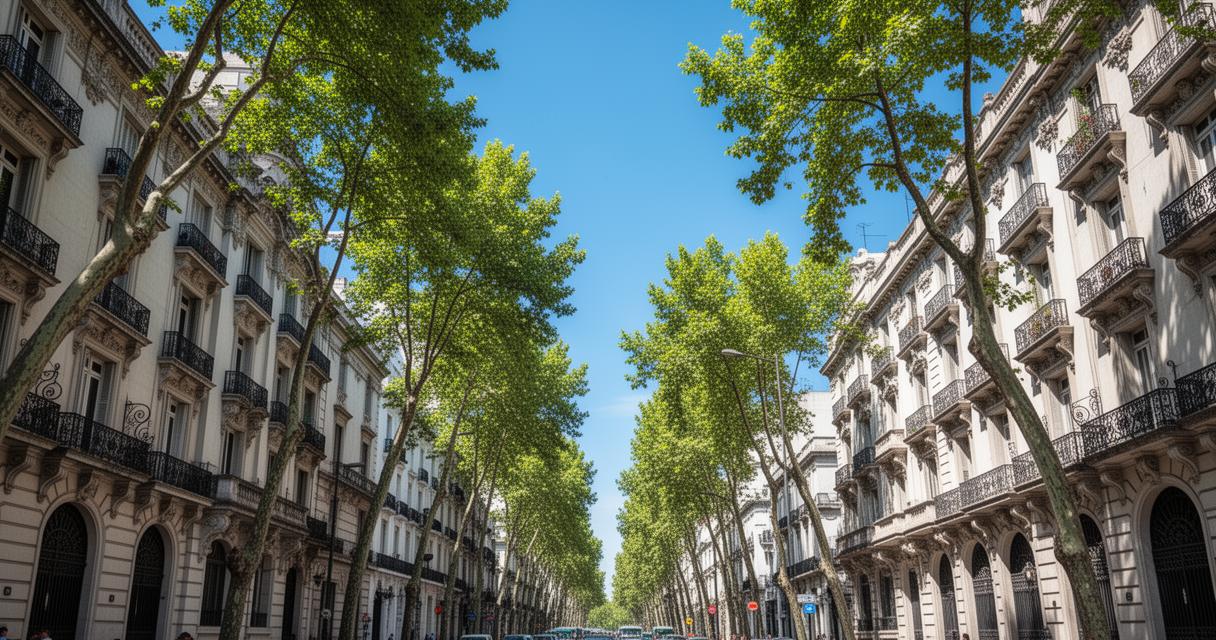
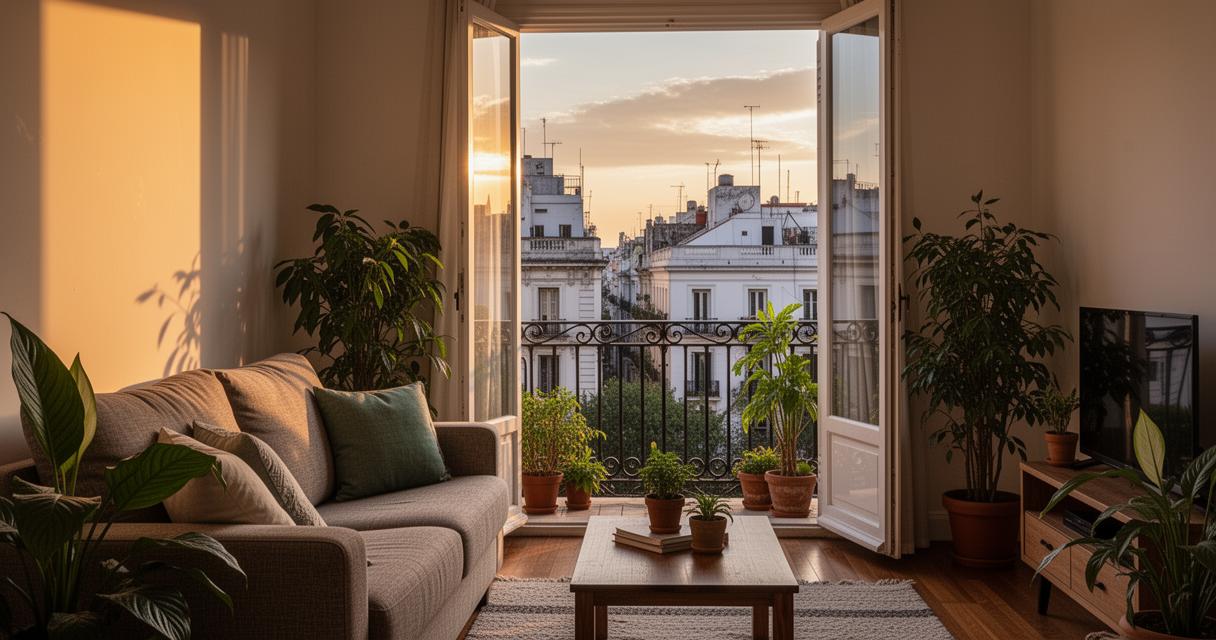
Recoleta is widely regarded as one of Buenos Aires’ most elegant districts, known for its grand architecture, leafy boulevards, and a lively cultural scene. When you begin searching for a shared flat in this part of the Argentine capital, it pays to understand precisely what “organised flatshare” means in this context. Unlike a basic hostel or a youth hostel, an organised colocation typically involves a managed property where rooms are let individually, shared common spaces are maintained, and a degree of administrative support is provided. This kind of arrangement suits anyone seeking both social interaction with housemates and a structured living environment.
Selecting an ideal flatshare near local cinema halls and cultural spots
One of the genuine pleasures of living in Recoleta is the proximity to culture. The neighbourhood is home to celebrated cinema halls, art galleries, and public spaces that make daily life genuinely stimulating. When shortlisting a flatshare, it is worth considering how close it sits to these amenities, as well as to the city centre and key transport links. Proximity to the centre of Buenos Aires means easier commutes for work or study, and straightforward access to other districts such as Puerto Madero, the modern waterfront quarter that draws both locals and visitors for its restaurants and riverside walks. Choosing accommodation that places you within comfortable reach of these spots ensures that your stay feels embedded in the life of the city rather than peripheral to it.

Understanding rental contracts and deposit terms in Latin America
Before signing any rental contract in Argentina, it is essential to read the terms carefully and seek clarification on anything that is not immediately clear. Rental agreements in Buenos Aires can differ considerably from what European tenants might expect. Deposit conditions, notice periods, and clauses relating to maintenance responsibilities should all be examined. It is also worth noting that contracts may be written exclusively in Spanish, so having a reliable translation or a trusted bilingual contact is a sensible precaution. Some organised flatshares operate on shorter, more flexible terms specifically tailored to international residents, which can be advantageous if your stay spans only a few weeks or months.
Managing practical logistics for your stay in the Argentine capital
Organising a stay in Buenos Aires from abroad involves a series of logistical considerations that extend well beyond finding the right room. From booking international flights to managing finances once you arrive, each step benefits from advance planning.
Organising international flights and local transport from the city centre
Travellers arriving from Europe, France, or neighbouring Latin American countries such as Chile, Brazil, or Colombia will typically land at one of Buenos Aires’ two main airports. From there, connecting to Recoleta is straightforward using taxis, private transfers, or the city’s public transport network. If you are planning a longer trip that takes in other South American destinations — Córdoba within Argentina, Santiago in Chile, or indeed further afield — it is worth mapping out your travel itinerary in advance, as return flights and onward connections can vary considerably in price and availability depending on the season. Arriving in spring is particularly pleasant in Buenos Aires, when the city’s famous jacaranda trees are in bloom and the weather is mild and inviting.
Handling living costs and international money transfers safely
The cost of life in Buenos Aires has fluctuated over recent years, and expats from Europe or North America may find that their budgets stretch further than expected, though this depends on the exchange rate and economic conditions at the time of travel. For international money transfers, it is advisable to use reputable and regulated services rather than informal channels. Services such as Western Union operate in Argentina and can facilitate transfers, though it is always wise to compare options and understand the associated fees before committing. Keeping a close eye on your weekly living costs — accommodation, food, local transport, and leisure — will help you manage your finances responsibly throughout your stay.
Preparing for daily life with housemates and friends during spring
Settling into a shared flat is about much more than having a comfortable room. It is about building a pleasant daily routine alongside your housemates and making the most of what the city has to offer.
Arranging travel insurance and essential documents for Argentina
Before departing for Argentina, sorting out comprehensive travel insurance should be a non-negotiable part of your preparation. A good policy will cover medical expenses, trip cancellations, and the loss or theft of belongings — all eventualities that can arise during an extended stay abroad. Beyond insurance, ensure that your passport is valid for the duration of your trip and that you are aware of any visa requirements applicable to your nationality. Citizens of many European countries, including France, can enter Argentina without a visa for short to medium stays, but it is always best to verify the current requirements through official channels before travelling. Keeping digital and physical copies of all essential documents is a simple but effective precaution.
Sharing evening dinners and exploring nearby spots like Puerto Madero
Life in an organised flatshare in Recoleta is enriched enormously by the social dimension. Shared evening dinners with housemates and friends are a natural part of the experience, offering a chance to exchange travel stories, practical tips, and local recommendations. Buenos Aires has a celebrated food culture, and exploring it together — whether cooking at home or venturing out to nearby restaurants — adds real depth to a stay. Puerto Madero, a short distance from Recoleta, is a particularly rewarding destination for an evening out, with its renovated dockside buildings, contemporary restaurants, and pleasant waterfront atmosphere. Equally, Recoleta itself offers a wealth of cafés, cinemas, and cultural venues that reward regular exploration. Whether you are in the city for a week or several months, embracing the neighbourhood’s rhythm is the surest way to make your stay genuinely memorable.